Bad Bunny, the Super Bowl, and the Marketing Genius Behind Cultural Relevance
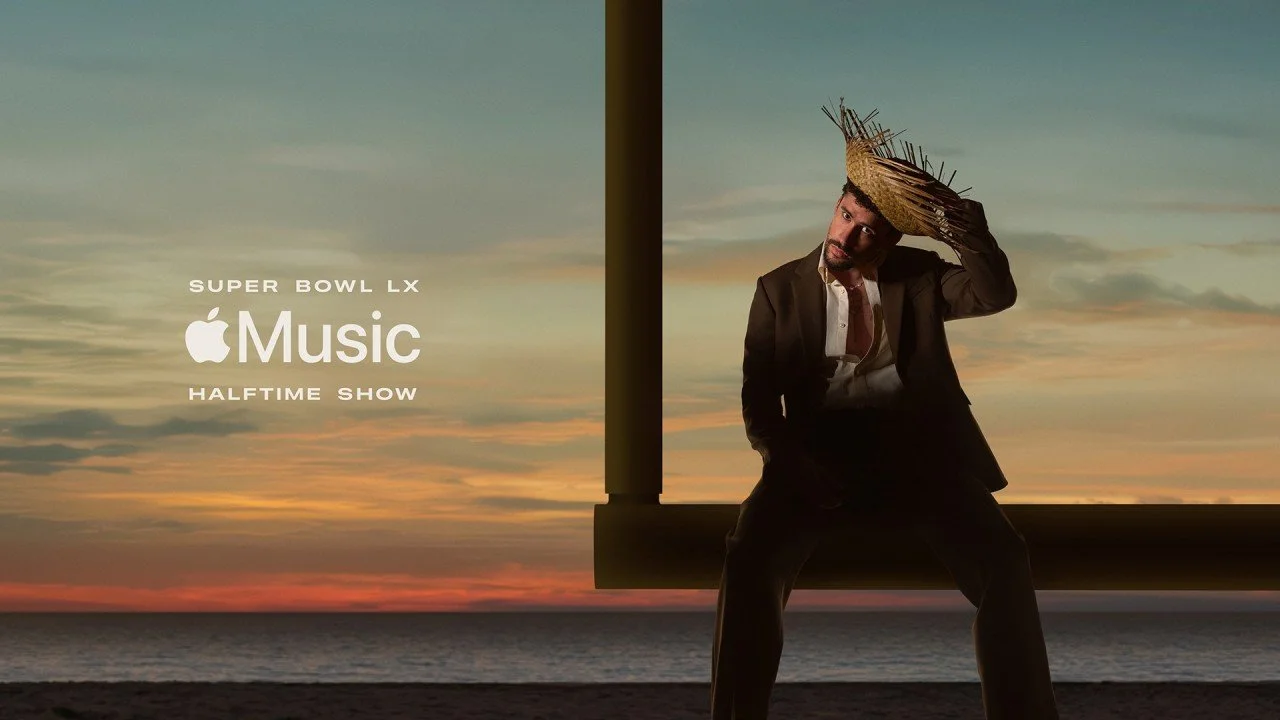
When the NFL, Roc Nation, and Apple Music announced that Bad Bunny will headline the Super Bowl LX Halftime Show in February 2026, it wasn’t just about booking the hottest star of the moment. It was about rewriting how the halftime show connects with culture—an intentional move to expand the NFL’s reach, energize younger audiences, and solidify the halftime show as one of the most culturally relevant stages in the world.
This wasn’t a lucky coincidence. It’s a calculated campaign that perfectly illustrates how authenticity, cultural connection, and strategic partnerships create marketing magic.
Here’s why this is marketing brilliance worth paying attention to:
The Demographic Power Move
Football diehards will always watch the game. The NFL’s challenge? Winning over everyone else. The NFL understands its core fan base, but long-term growth depends on reaching beyond it.
Enter Bad Bunny.
Latin and Spanish-speaking markets: He’s the biggest Latin star on the planet, with a built-in audience across Latin America and U.S. Latino communities.
Gen Z & Millennials: His dominance on Spotify and TikTok makes him a magnet for younger fans who may not otherwise tune in to football.
This is a textbook example of using a cultural figure as a bridge into new markets—a move that resonates far beyond the field. This is the NFL saying: We’re not just chasing eyeballs—we’re chasing the future audience.
Cultural Authenticity as a Global Strategy
Bad Bunny doesn’t just “represent diversity.” He owns it. He brings Puerto Rican pride, Spanish lyrics, and unapologetic authenticity to a stage that’s historically been very… mainstream.
We’ve seen this play before: the 2020 halftime performance with Shakira and Jennifer Lopez spotlighted Latin music on a global stage, and Bad Bunny—then a surprise guest—was part of that cultural wave. Now, as headliner, he’ll carry the torch even further, proudly celebrating Puerto Rican heritage while speaking to a worldwide audience.
By leaning into authenticity, the NFL positions itself as a brand that values diversity and cultural storytelling, not just viewership numbers. The NFL gains global credibility. Bad Bunny gets to plant his flag on the biggest stage in American pop culture. Everybody wins.
Hype Before the Show Even Starts
The strategy here is clear: build anticipation, drip it out, and let social media catch fire.
The announcement dropped during a Sunday Night Football broadcast and across social channels for instant cross-platform exposure.
Bad Bunny teased fans with cryptic goalpost videos, sparking rumors and speculation.
Even the “what if it was Taylor Swift?” chatter drove more clicks, more shares, more buzz.
This is classic teaser marketing—using ambiguity and anticipation to transform an announcement into a viral event.
Star Power That Aligns with the Brand
Bad Bunny isn’t just famous—he’s consistent in staying true to his artistry and community. Here’s the twist: Bad Bunny had previously said he wasn’t interested in performing in the U.S. during his tour. So why the Super Bowl?
Because it’s not just about him—it’s about his culture. That’s the story. And stories sell.
Pair that with his reputation for high-energy, visually wild performances, and you’ve got guaranteed viral moments.
It’s also a win for the sponsors:
Apple Music uses him to push halftime content further into the digital era, with global promotions and exclusive behind-the-scenes coverage.
Roc Nation, helmed by Jay-Z, adds credibility and alignment with Bad Bunny’s cultural influence.
This alignment between artist identity and brand platforms is exactly how you create authentic partnerships that feel organic—not transactional.
A Case Study in Brand Collaboration: Ritz Crackers 2025
Bad Bunny’s road to the halftime stage included another Super Bowl milestone: starring in Ritz’s first-ever national Super Bowl ad in 2025.
By featuring him alongside Aubrey Plaza and Michael Shannon, Ritz reached a broader audience than ever before.
His playful “salty but cheerful” persona made the ad feel authentic, humorous, and relatable.
Ritz instantly went from grandma’s pantry to TikTok relevance. That’s what the right partnership can do.
The lesson? When done right, celebrity collaborations can transform a legacy brand’s relevance overnight.
The Marketing Genius of Bad Bunny
If you’re paying attention, this isn’t a one-off. It’s a system:
Lead with authenticity & cultural connection → Every move ties back to his Puerto Rican roots. That’s why people believe him.
Interactive, experiential rollouts → From pop-ups to geo-clues in album rollouts, he knows how to turn marketing into experiences. He makes fans part of the story.
Strategic collaborations → Whether it’s Ritz Crackers, Shakira, or the NFL, he chooses partnerships that expand reach without diluting his identity.
Teaser campaigns & social buzz → Cryptic clues, cryptic posts, and viral speculation turn announcements into events.
The Bigger Picture
Bad Bunny’s halftime show isn’t just music—it’s a marketing strategy in motion.
The NFL gets global reach with younger, more diverse fans. Apple Music cements itself as the digital stage for culture. Roc Nation strengthens its rep as the architect of global cultural moments. And Ritz? They proved even a cracker brand can go viral if you pick the right partner.
For marketers like us, the takeaway is clear: great marketing isn’t about the loudest message—it’s about the most authentic one. Bad Bunny embodies that truth, and his Super Bowl spotlight is proof that cultural resonance is the ultimate growth strategy.
And that’s exactly what Bad Bunny is about to deliver at Super Bowl LX.