WEAR PLANTS, NOT PLASTIC - The Brand Strategy Shaking Up Sportswear (and Why I’m Here for It)
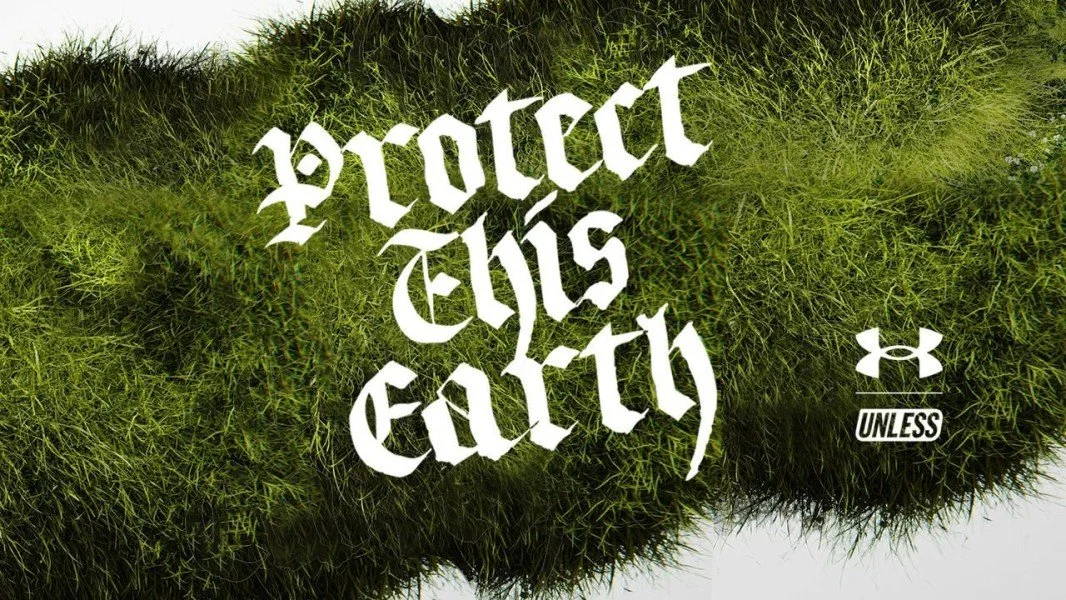
Under Armour just did something few legacy performance brands have the courage to do: It bet on plants.
Enter Unless Collective — a regenerative fashion label rewriting the rules of what sportswear can (and should) be. No plastic. No greenwashing. Just raw, unapologetic innovation that dares to ask: What if your clothes weren’t built to last forever—and that’s actually a good thing?
This isn’t your typical sustainability story. It’s a marketing power move that blends purpose, performance, and pop culture into one bold narrative. And for me, it hit different.
I’ve been trying to make more sustainable lifestyle choices — nothing extreme, just small intentional shifts. But when I saw a major brand merge sustainability with swagger, it made me pause. I wanted to dive into the marketing and culture behind this because, quite honestly, this is how change sticks — when it’s not just sold to you, but embedded in what you want to wear.
A Brand That Literally Returns to the Earth
Unless Collective isn’t eco-friendly; it’s earth-friendly. Every hoodie, tee, and short — made entirely from plants — is designed to decompose rather than pollute. When you’re done, it literally returns to the soil it came from.
That flips the script on decades of “durability” messaging — the idea that performance wear should outlive you — and instead celebrates circularity, responsibility, and evolution. That’s gutsy in an industry still hooked on synthetic fibers and petroleum-based “innovation.”
But here’s the real flex: Unless doesn’t sell guilt. It sells cool.
The brand’s visuals are soaked in skate, surf, and street energy. The tone is gritty, confident, and culture-driven — not preachy or performative. It’s sustainability with edge, not ego.
The Marketing Strategy: Purpose with Performance
This collaboration with Under Armour isn’t about chasing a trend — it’s a signal flare to the entire industry: sustainability isn’t niche anymore; it’s the next frontier of performance.
The brilliance of the campaign lies in three layers of brand strategy:
1️⃣ Partnership as Proof – Pairing a regenerative upstart with a global athletic powerhouse gives the idea credibility and reach. Under Armour didn’t just co-sign Unless; it expanded the stage for an entirely new movement.
2️⃣ Storytelling as Strategy – Unless doesn’t drown audiences in data or moral lectures. Instead, it humanizes sustainability — focusing on people, process, and purpose. It’s storytelling that builds connection, not compliance.
3️⃣ Circularity as Identity – Most brands focus on product drops. Unless focuses on what happens next. It’s not “look what we made,” it’s “look how this gives back.” That subtle shift redefines what it means to consume responsibly — and turns customers into advocates.
This isn’t content marketing. It’s cultural marketing.
The Mind Behind the Movement
At the core of all this is Eric Liedtke, Under Armour’s Brand President and the architect behind the movement. He’s the same strategist who rebuilt Adidas from the ground up — the one behind billion-dollar collabs and a culture-first approach that redefined sportswear branding.
Eric’s philosophy? Marketing isn’t about shouting louder. It’s about connecting deeper — creating movements, not moments.
He summed it up best:
“Our unique and innovative approach represents a significant shift from the traditional production cycle, which often relies heavily on plastics and generates waste. By using only plant-based materials, this regenerative sportswear collection is designed to decompose rather than pollute — representing a revolutionary advancement that honors both athletes and the planet.”
That’s not just a quote. It’s a brand manifesto.
What’s Hot Now: Fall 2025
The collection’s Fall 2025 lineup — featuring bold colorways of plant-based hoodies, T-shirts, and shorts in men’s, women’s, and unisex fits ($30–$160) — feels effortlessly modern. It’s not trying too hard to “look sustainable.” It just is.
Each piece walks the line between performance and personality — proving you can look good, move freely, and still respect the planet.
Final Thought
This venture isn’t new for the industry, but it is new for me — and it’s reshaping how I think about the future of fashion and marketing alike.
Because here’s the truth: people don’t just buy what you make; they buy what you believe. And Unless Collective isn’t just selling plant-based apparel — it’s selling a mindset shift.
So the question becomes — is this the blueprint for the next era of brand culture, or just a slick marketing experiment dressed in green?
Either way, I’m watching. Closely.