The Double-Decker Bus Isn’t a Stunt — It’s the New Flagship (and Proof the Customer Journey Is Obsolete)
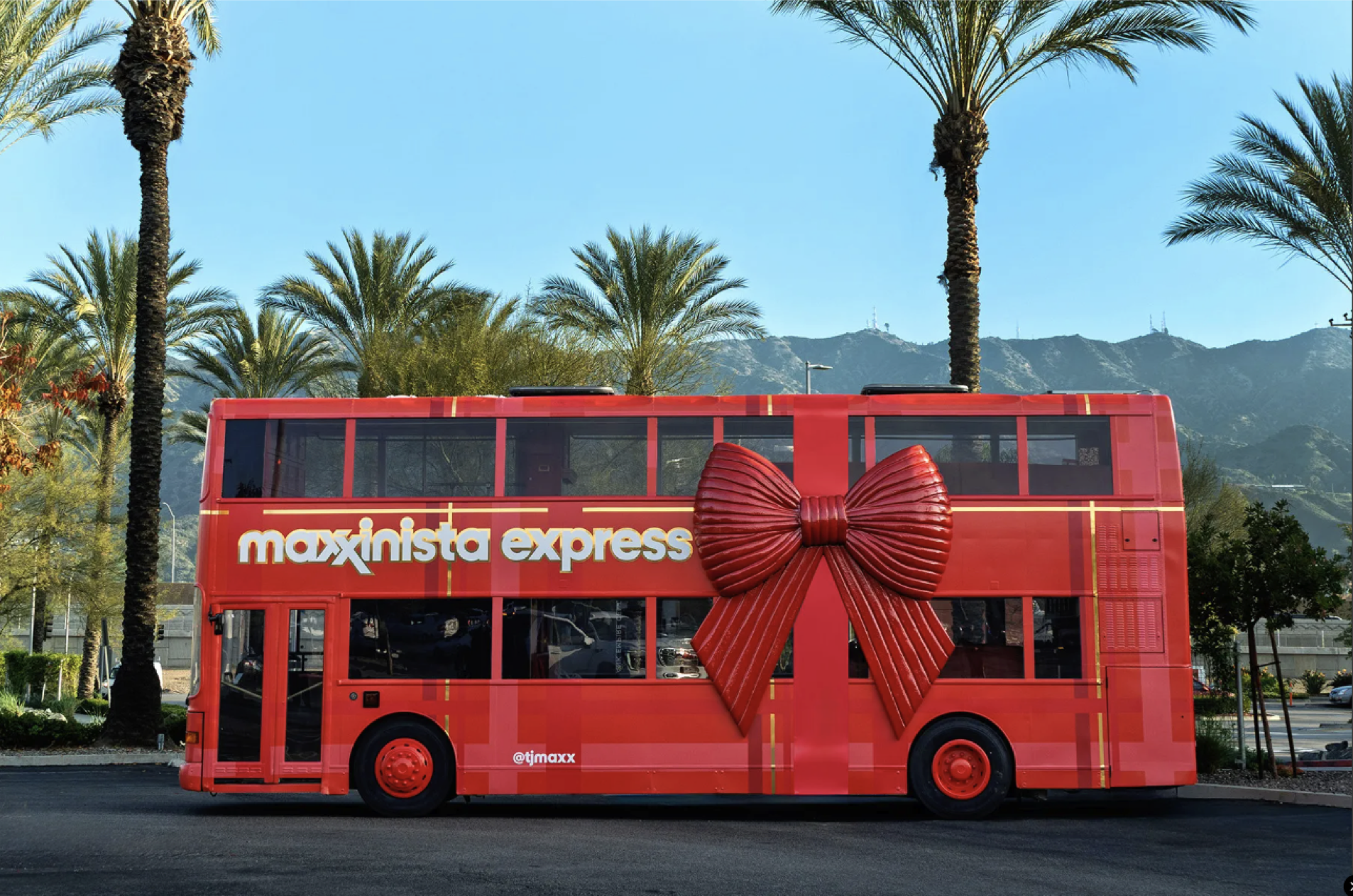
T.J. Maxx didn’t roll out a holiday activation. They made a statement about how brands should think about loyalty, experience, and culture moving forward.
The Maxxinista Express—a double-decker bus traveling city to city, taking die-hard fans on a full-day, multi-store shopping experience—wasn’t designed to sell more sweaters. It was designed to acknowledge something most brands still ignore:
The most powerful marketing doesn’t create behavior. It recognizes behavior that already exists.
The Flagship Store Has Left the Building
For years, brands poured millions into flagship stores meant to impress casual visitors and tourists. Big square footage. Big visuals. Big budgets. But today, influence doesn’t live in one place — it lives in motion, online and offline at the same time.
T.J. Maxx understood that the modern flagship isn’t permanent or static. It’s mobile. It’s experiential. And it meets fans where their passion already lives.
The bus wasn’t just transportation. It was a moving embodiment of the brand’s personality: playful, chaotic, communal, and unapologetically obsessed with the hunt.
That’s not retail theater. That’s cultural fluency.
This Was Never About “Shoppers”
Here’s the real insight: T.J. Maxx didn’t design this for the average customer.
They designed it for Maxxinistas... the people who already treat off-price shopping like a ritual. The ones who hop between stores, chase viral finds, compare hauls, and proudly narrate the experience online.
The brand didn’t try to educate them. It didn’t try to upsell them. It didn’t try to “optimize” them.
It simply said: We see you.
That’s the shift from customer journey to fan journey.
The Experience Worked Because It Didn’t Try to Change Anyone
So many experiential campaigns fail because they attempt to manufacture excitement from scratch. This one succeeded because it amplified what was already there.
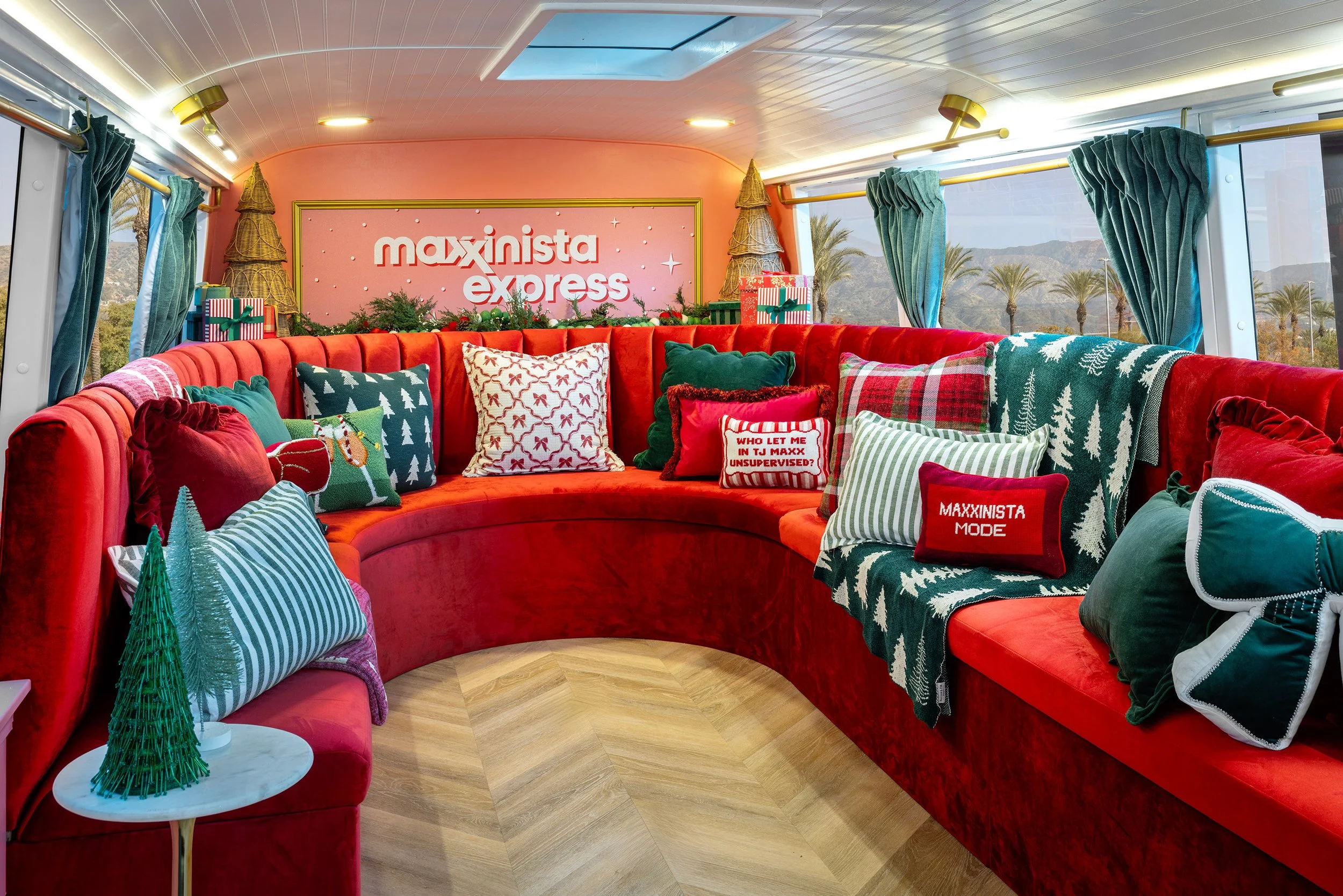
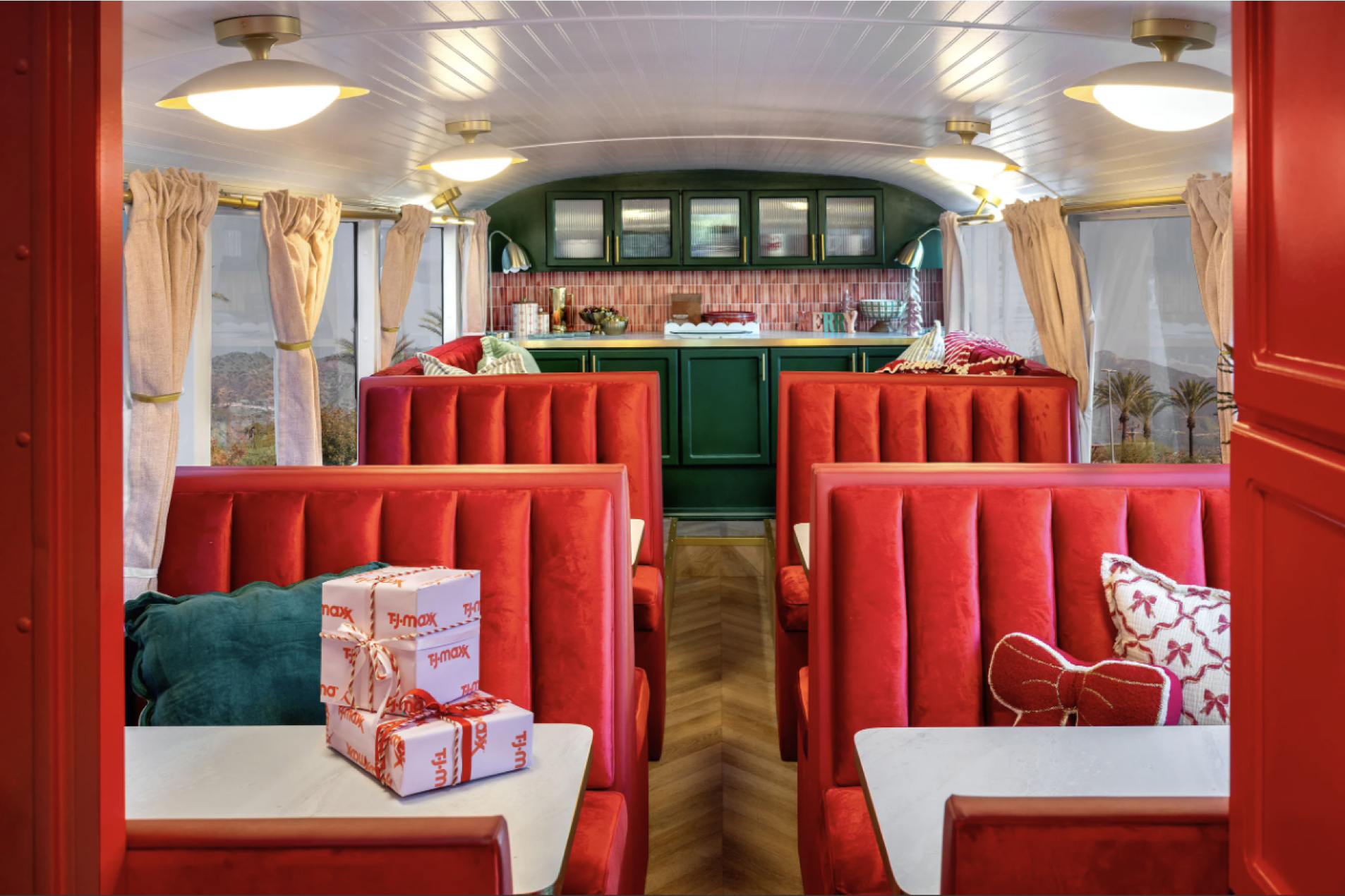
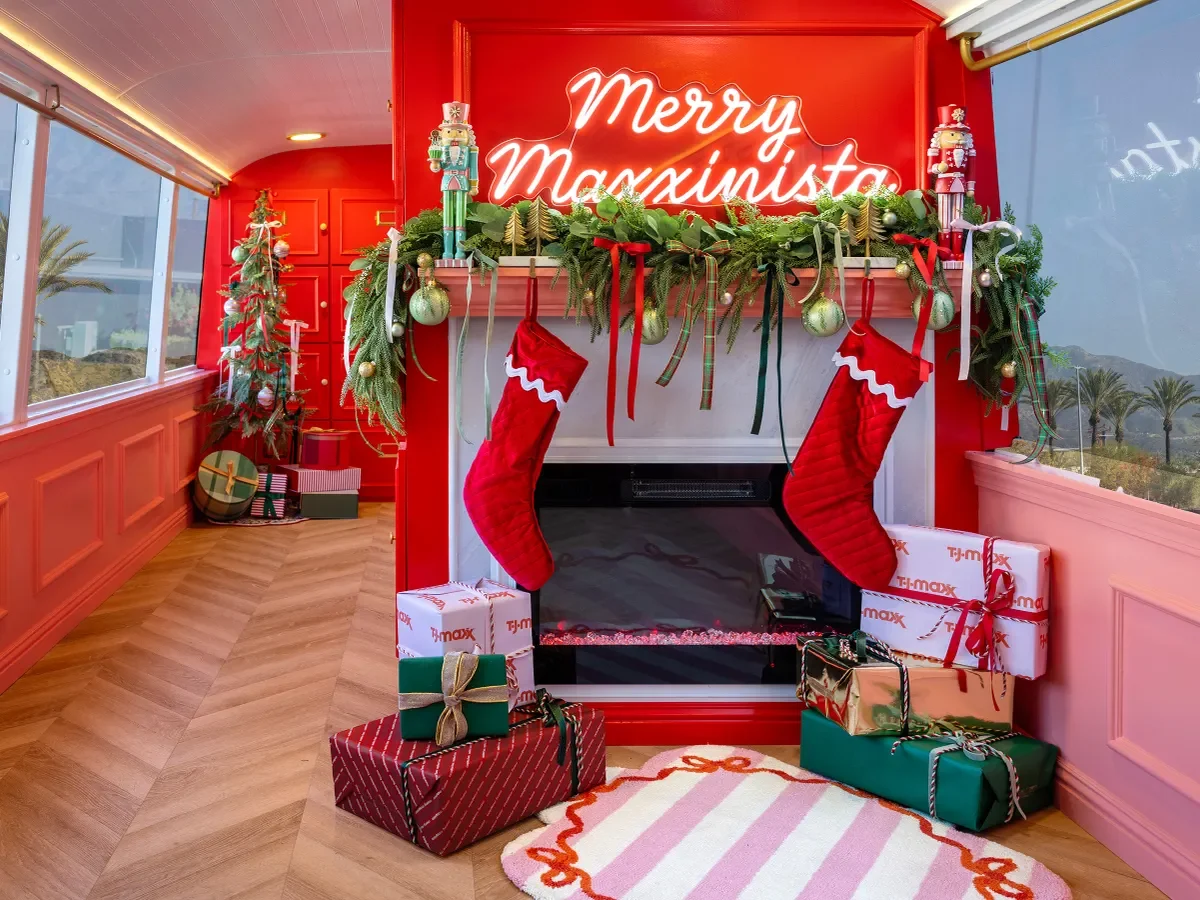
Every detail — the games, the holiday atmosphere, the space to stash finds — reinforced an existing mindset. It turned a solo habit into a shared event. It transformed something transactional into something communal.
The bus wasn’t a brand introduction. It was a brand celebration.
And that distinction matters.
Loyalty Isn’t About Points Anymore
Traditional loyalty programs reward behavior after the fact. Spend more, earn more, repeat. This experience flipped the model.
Instead of rewarding wallets, T.J. Maxx rewarded identity.
Being chosen to ride the Maxxinista Express wasn’t about how much you spent; it was about who you are as a fan. That creates a different kind of attachment. One rooted in belonging, not incentives.
And when people feel seen, they tell stories. When they tell stories, brands don’t need ads.
What Marketers Should Actually Take From This
This wasn’t a gimmick. It was a signal.
The brands that win next won’t obsess over funnels alone. They’ll invest in moments that turn customers into advocates by honoring the communities they’ve already built.
The future of experiential marketing isn’t louder activations or bigger budgets. It’s sharper insight. It’s knowing when to stop pushing and start listening.
T.J. Maxx didn’t invent a new behavior. They gave an existing one a stage.
And sometimes, that’s the smartest marketing move you can make.