The Curry x Under Armour Breakup 🏀: What Marketers Aren’t Saying and What Happens Next
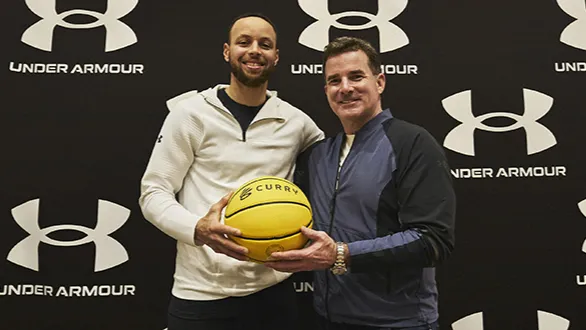
The Breakup Heard Around the Marketing World
Stephen Curry didn’t just end a sponsorship. He detonated one of the most fascinating case studies in athlete branding we’ve seen in a decade.
Twelve years, a signature brand, a billion-dollar valuation, and then— “We’re done here.”
Then Curry walked into warm-ups wearing the Nike Kobe 6 Protro “Mambacita.” Hours after the split.
If you work in marketing, you know: That was not an accident. That was a message.
A respectful tribute? Absolutely. A strategic flex? Also absolutely. A signal to the industry? Definitely.
Curry’s breakup with Under Armour isn’t a sneaker story. It’s a brand autonomy story. A legacy story. A “who really holds the power now?” story.
And marketers should be paying attention.
The Real Reason This Split Matters
Under Armour didn’t just lose an athlete; they lost their identity anchor.
Let’s be honest: Curry was Under Armour Basketball. He carried an entire division on his back for a decade.
His exit exposes three big truths:
1. UA struggled to tell a lifestyle story.
Performance? They’ve got it. But culture? Nostalgia? Personality? That’s where Nike and Adidas have always dominated.
UA never cracked the code on what made Curry Curry.
2. Curry has outgrown being “the face” of someone else’s brand.
He now owns the Curry Brand outright. Let that sink in: He controls his IP, story, design, distribution, AND future partnerships.
That’s Michael Jordan-level positioning.
3. Independence is the new power move.
From Roger Federer (On) to Dwyane Wade (Li-Ning), elite athletes aren’t just endorsers anymore. They’re owners.
Curry is now in that club... by choice.
The Pros & Cons of the Breakup (The Honest Version)
Pros for Curry
✔ Full brand ownership
✔ Ability to collaborate across platforms
✔ Freedom to honor other legends (like Kobe)
✔ Ability to pivot internationally
✔ Potential for equity deals, not endorsement deals
✔ Opens the door for a global legacy expansion
Cons for Curry
✘ He loses the massive UA distribution machine
✘ He must now build independently (which is very hard)
✘ A misstep will fall squarely on him
✘ Competing with Nike, Li-Ning, AND ANTA requires serious capital
But Curry has something most athletes don’t: Irrefutable credibility and a near-universal fanbase.
Pros for Under Armour
✔ They can focus on the performance categories they actually dominate
✔ Less cost tied to a declining basketball category
✔ Ability to reset their narrative under new leadership
Cons for Under Armour
✘ They lose their most valuable storytelling asset
✘ Curry Brand sales are already slipping = deeper hole
✘ Major perception hit in the market
✘ No clear successor athlete
This breakup may not sink Under Armour, but it removes their brightest star from the sky.
So… Where Does Curry Go Next? Here Are the Real Options
Based on brand equity, global influence, and strategic opportunity, here’s my take:
Li-Ning — The “Wade Blueprint”
This is the best business play. Massive Asian market reach, immediate signature line, lifetime potential, equity power.
Li-Ning is the place athletes go when they want CONTROL. Curry could build a global basketball empire here.
ANTA — The Culture Wave
ANTA has momentum. Kyrie made them relevant. Klay made them credible.
A Curry x ANTA collaboration could shift the entire basketball landscape, especially in China, where Curry is already beloved.
Nike — The Full-Circle Blockbuster
The story writes itself:
“The one who got away returns home as a global icon.”
Nike is still the cultural powerhouse. A Curry x Nike partnership would be cinematic.
But here's the catch: Nike might not give him a signature line. At best, he’d carry the Kobe torch. Curry is too big to play second tier. But strategically? Nike could elevate his long-term legacy more than anyone else.
Jordan Brand — The Legacy Align
Curry and MJ are two Carolina legends. But let’s be real… Jordan already has Luka, Tatum, Zion. Curry deserves more than “supporting cast.”
Reebok — The Wild Card
Shaq is rebuilding the brand brick by brick. If Curry wants to be the franchise player and help resurrect a legacy brand? This is the place.
But the financial and cultural upside is smaller. Still, a Curry x Shaq partnership would be fun as hell.
And Then There’s the Option Everyone’s Missing:
He may not need ANY brand at all.
Curry now owns his IP. He has global distribution relationships. He has manufacturing access. He has a loyal fanbase. He has cultural relevance. He has athlete-to-entrepreneur credibility.
He could go fully independent, taking Curry Brand from “sub-label” to "Empire."
This is the boldest move. But also the one with the most upside.
We’re in the era of creator-led brands. Why shouldn’t that apply to athletes?
What Marketers Should Learn From All This
1. The future belongs to brands that allow collaboration, not control.
Athletes don’t want to be silenced. They want to create.
2. Legacy storytelling beats product features every time.
Nike tells stories. UA sells shoes. There’s a difference.
3. IP ownership is the new currency.
Creators who own their work win long-term.
4. Emotional moments (like Curry honoring Kobe) drive more buzz than campaigns.
One pair of shoes broke the internet. Not a commercial. Not a billboard. A moment.
5. Athletes are brands now, not spokespeople.
The old model is dying. Curry just proved it.
Final Take: Curry Didn’t Lose a Deal, He Gained Power
Stephen Curry’s split with Under Armour isn’t a setback. It’s a strategy.
He’s not running from something. He’s running toward something bigger.
Whether he chooses Nike, Li-Ning, ANTA, or independence… He’s redefining what athlete branding looks like in 2025 and beyond.
And if you’re a marketer, the real question is this:
Are you building brands around talent or with them? Because the Curry playbook makes it clear: Only one of those models survives the next decade.