NBA All-Star Weekend Is No Longer About Basketball. It Is About Cultural Dominance.
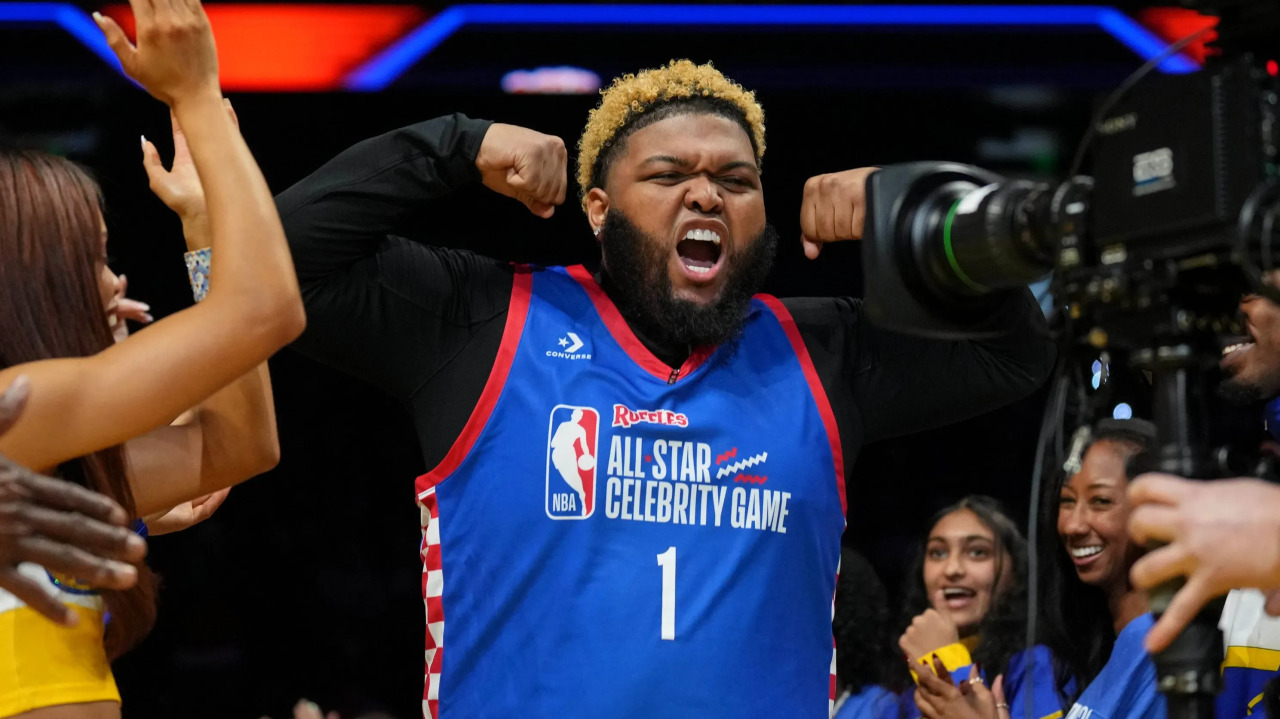
There was a time when NBA All-Star Weekend centered on the game. Fans tuned in to see the league’s biggest stars share the court, brands showed up with sponsorship logos, and the moment passed until the next season.
That version of All-Star Weekend is gone.
What we are watching now is one of the most sophisticated marketing ecosystems in live entertainment. Basketball may be the anchor, but the real product is culture, experience, and relevance.
And if you work in marketing, you should be studying it closely.
Because the NBA is not simply hosting an event. It is building a living, breathing brand environment.
The Game Is Not the Headliner Anymore
Here is what caught my attention immediately. Viewership of the All-Star Game has softened over the past few years, yet brand participation continues to rise. More than 60 sponsors activated around the Los Angeles weekend alone.
That is not accidental.
Brands understand something critical: the value is no longer confined to the game itself. The value lives in everything surrounding it.
Pop-up experiences. Fashion moments. Celebrity appearances. Music integrations. Fan activations. Limited product drops.
This is not sponsorship. This is strategic immersion.
Foot Locker hosted multi-day experiences tied directly to sneaker culture. American Express offered cardholders exclusive access to player meet-and-greets. AT&T created the “Dunk District,” blending nostalgia with star power. Spotify tapped into its RapCaviar audience by partnering with Cade Cunningham, connecting basketball with hip-hop in a way that felt natural rather than manufactured.
None of these brands were simply present. They were participating in the culture.
And participation is what audiences remember.
Experience Has Replaced Exposure
For years, marketing success often meant being seen. Today it means being experienced.
Consumers expect interaction. They want something they can walk into, film, post, and talk about later. Attention is no longer granted. It is earned through engagement.
The brands that stood out were the ones that created environments rather than advertisements.
Player partnerships added credibility. Fashion collaborations brought cultural relevance. Merchandise drops created urgency.
Each activation answered an important question: why would someone stop?
If your brand cannot answer that clearly, you are competing for attention in a space where people are trained to scroll.
Culture Is Driving the Strategy
Basketball does not live in a vacuum. It intersects with fashion, music, art, and identity. The league understands this deeply and leans into it with intention.
Players are no longer just athletes. They are tastemakers with global influence.
When Shai Gilgeous-Alexander steps out in a statement coat, it is not just style. It is brand energy. It sparks conversation far beyond sports media.
Spotify’s decision to partner with Cunningham worked because it aligned with his authentic presence in hip-hop culture. Audiences recognize when a partnership makes sense, and they disengage quickly when it does not.
There is a lesson here for marketers.
Alignment beats visibility every time.
When brands connect with what audiences already care about, they stop feeling like advertisers and start feeling like insiders.
The Creator Economy Is Now Part of the Infrastructure
The NBA invited more than 200 creators to document the weekend in real time. That move alone speaks volumes about how marketing distribution has evolved.
Traditional campaigns push messages outward. Creators generate conversations that travel faster and farther than most media buys.
Fans trust individuals who feel relatable. A creator walking through an activation with genuine excitement often carries more influence than a polished commercial.
This approach transforms attendees into storytellers. It extends the life of every moment and multiplies reach organically.
If your marketing strategy still treats creators as optional, it is time to reassess.
Technology Is Elevating the Spectacle
Innovation played a quiet but powerful role throughout the weekend. Broadcast enhancements, dynamic graphics, and LED court technology contributed to a viewing experience that felt visually charged.
Sports today compete with streaming platforms, gaming, and endless digital content. Presentation matters more than ever.
The NBA understands that the game must be entertaining, but the visual experience must also give audiences something worth sharing.
When technology enhances the spectacle, it extends engagement beyond the arena.
Community Investment Builds Real Equity
Another element that deserves attention is how intentionally the league and its partners engage with the host city.
Health initiatives, charitable partnerships, fundraising efforts, and local artist collaborations were not side projects. They were integrated into the weekend.
These efforts signal something important. Brands that invest in communities build trust. Trust builds loyalty.
When audiences feel that a brand shows up for more than profit, the relationship shifts from transactional to emotional.
That shift is where long-term value lives.
The Global Lens Cannot Be Ignored
The NBA continues to position itself as a worldwide entertainment property rather than a domestic sports league.
International players, global fanbases, and cross-cultural partnerships reinforce that vision. All-Star Weekend becomes a stage not just for American audiences but for a global one.
For marketers, the takeaway is straightforward. Growth often requires looking beyond the audiences you know best.
What Marketers Should Be Paying Attention To
The biggest insight from All-Star Weekend is this: the product is no longer just the product.
The experience is the product. The culture is the product. The content is the product. The community is the product.
The brands gaining traction are not asking how to show up. They are asking how to belong.
Belonging drives engagement. Engagement drives conversation. Conversation fuels relevance.
And relevance remains one of the most valuable assets a brand can earn.
A Challenge for Marketing Leaders
If your strategy still relies primarily on visibility, you may already be behind.
Ask yourself:
Are we creating moments people want to step into? Are we aligned with culture or reacting to it? Are we building experiences worth sharing? Are we memorable?
Because people rarely remember advertisements.
They remember how a brand made them feel.
NBA All-Star Weekend is not just entertainment. It is a signal of where modern marketing is heading.
The real question is whether brands are ready to meet that moment.